
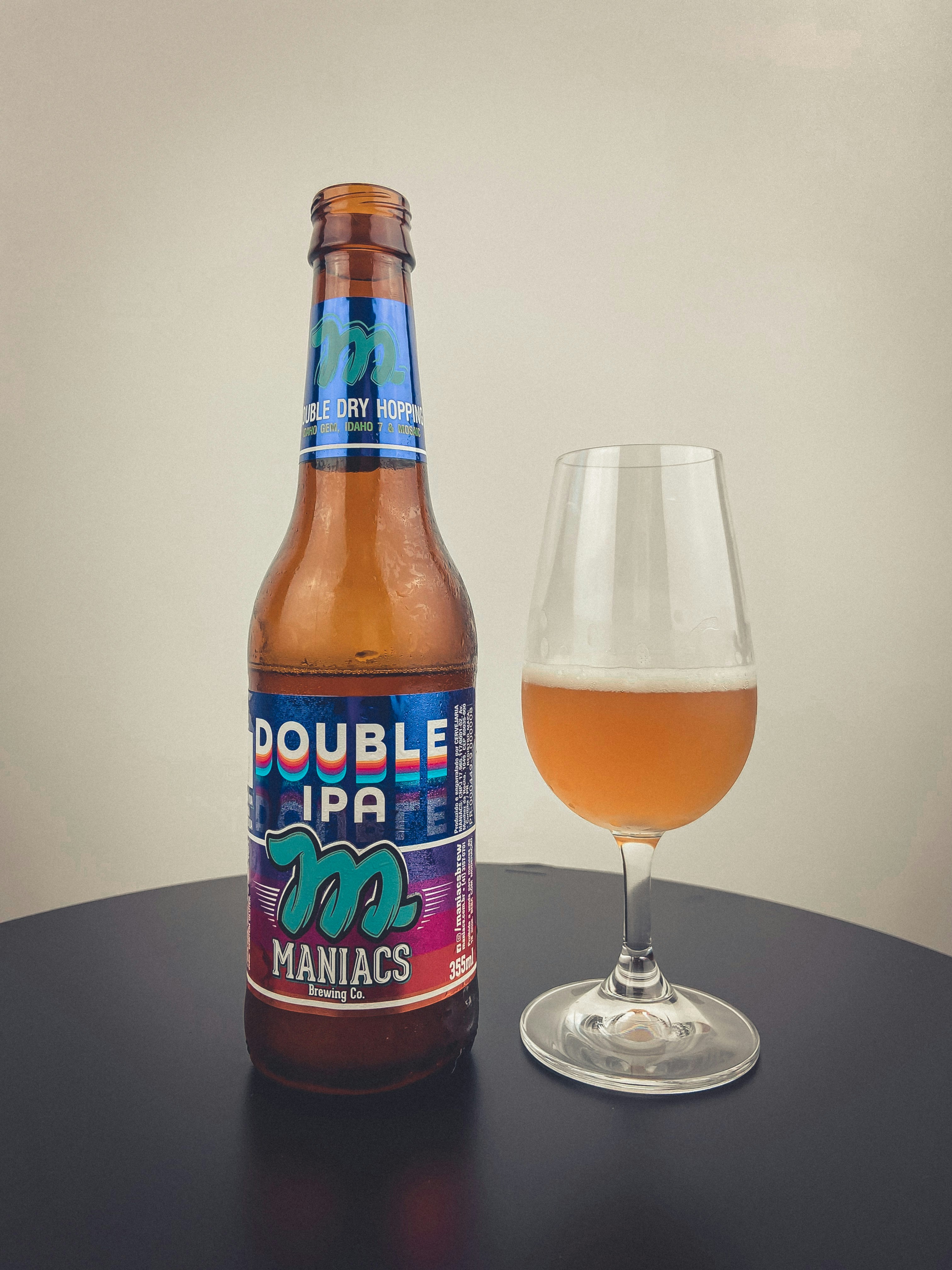
The Evolution of Craft Beer Brewing
The landscape of craft beer brewing has undergone significant transformation since its inception, particularly during the late 20th century in the United States. The craft beer movement began as a grassroots initiative; enthusiasts sought to create unique flavor profiles and experiment with traditional brewing methods, which set the stage for the emergence of microbreweries. These small-scale breweries often reflected local tastes and preferences, and they became vital in introducing a diverse range of beer styles beyond the standard offerings of mass-produced lagers.
The evolution of craft beer can be traced back to the 1960s, but it was the 1980s and 1990s that marked a substantial growth period, as more individuals became interested in brewing as both an art form and a business opportunity. Microbreweries flourished during this time, incorporating innovative techniques and ingredients to produce a wide array of India Pale Ales (IPAs), stouts, porters, and specialty brews. This era’s focus on quality and creativity in brewing attracted a growing consumer base eager for alternatives to commercial beers.
As consumer preferences evolved, craft breweries adapted to changing demands. The rise in health consciousness led to increased interest in low-alcohol and gluten-free options, while experimental flavors, such as fruit-infused and barrel-aged beers, began to dominate the market. Additionally, the advent of advanced brewing technology and social media has played a critical role in shaping the craft beer industry, allowing brewers to connect with consumers directly and share their stories widely. Key players in this sector have embraced these platforms to foster community engagement and stimulate interest in their products.
Today, craft beer brewing continues to flourish, reflecting a dynamic culture that celebrates innovation, collaboration, and community. As the industry progresses, it stands poised for further evolution, keeping pace with the tastes and values of contemporary consumers.
Trends Influencing the IPA Style
In recent years, the craft beer landscape has experienced a transformative shift, particularly within the India Pale Ale (IPA) segment. A prominent trend gaining traction is the rise of New England IPAs, characterized by their hazy appearance and juicy, fruity flavor profiles. This style has garnered a loyal following due to its approachable bitterness and emphasis on hop variety, creating a vibrant canvas for experimentation. Brewers are increasingly utilizing hops like Citra, Mosaic, and Galaxy, which contribute distinctive tropical and citrus notes, further appealing to consumer preferences.
Hazy IPAs, closely related to New England styles, have also made a significant mark. Their cloudiness stems from the use of specific grains and dry-hopping techniques, which enhance both aroma and mouthfeel. This trend reflects a broader consumer desire for uniqueness and flavor complexity, leading brewers to push boundaries and create innovative recipes. Moreover, Session IPAs are gaining popularity, allowing drinkers to enjoy lower-alcohol versions without sacrificing the hoppy essence that defines the IPA experience. This facilitates consumption during social events while still appealing to the hop-centric palate.
Technology and social media play vital roles in shaping these trends. Breweries are increasingly leveraging platforms like Instagram and Twitter to showcase their latest IPAs, engage directly with consumers, and build community. These interactions not only inform drinkers about new releases and limited editions but also foster a sense of belonging among craft beer enthusiasts. Collaborations between breweries are on the rise as well, leading to exciting new offerings that blend different styles and characteristics, reflecting a creative push within the industry.
Sustainability in Craft Beer Brewing
The craft beer industry is experiencing a considerable transformation as sustainability becomes a key focus for breweries worldwide. As climate change and environmental degradation garner increasing attention, craft brewers are adapting their operations to minimize their ecological footprint. This commitment not only appeals to environmentally-conscious consumers but also ensures the long-term viability of brewing businesses.
One of the most prominent shifts is the adoption of eco-friendly practices in various aspects of the brewing process. Many breweries are now utilizing renewable energy sources, such as solar and wind, to power their facilities. For instance, some breweries have installed solar panels to harness clean energy, thereby reducing their reliance on fossil fuels and decreasing greenhouse gas emissions. Additionally, energy-efficient brewing methods and equipment have become more commonplace, allowing breweries to save resources while maintaining high-quality production.
Moreover, sustainable sourcing of ingredients is a critical consideration in the craft beer sector. Breweries are increasingly prioritizing locally-sourced materials, reducing transportation impacts and supporting local economies. This practice not only benefits the environment but also enhances the flavor profile of the beers, as fresh, local ingredients often yield superior results. Some brewers are even engaging in regenerative agriculture practices, ensuring that their farming methods nourish the land and promote long-term ecological health.
Prominent craft breweries are setting the bar high for sustainability initiatives. For example, Sierra Nevada Brewing Co. has invested significantly in sustainability, implementing a zero-waste program and using solar power for over 90% of their energy needs. Similarly, New Belgium Brewing Co. offers an extensive list of sustainability efforts, including water conservation and serving as a model for responsible brewing practices.
As the craft beer industry moves forward, the emphasis on sustainable brewing practices will likely intensify. By adopting innovative techniques and nurturing responsible ingredient sourcing, breweries can lead the way toward a greener and more sustainable future for the entire beverage industry.
The Future of IPA: What to Expect
The landscape of craft beer, particularly in the realm of India Pale Ales (IPAs), is undergoing a notable transformation. As craft brewers continue to innovate, various trends are emerging that will redefine the approach to brewing IPAs. One of the most significant trends is the use of alternative ingredients. Brewers are now experimenting with non-traditional hops and adjuncts such as fruit, spices, and even herbs, which can add unique flavor profiles and aromas to the traditionally hop-forward IPA. This shift not only caters to evolving consumer tastes but also encourages creativity and experimentation within the brewing community.
Barrel-aged IPAs are gaining traction as well, marrying the bold characteristics of IPAs with the complexities introduced by barrel aging. This method not only adds depth and richness to the flavor profile but also allows brewers to capitalize on the nuances from previous contents of those barrels, such as whiskey or wine. The result is an IPA that delivers an intricate taste experience, appealing to both traditional craft beer aficionados and newcomers alike.
Furthermore, there is a growing trend towards developing lower-alcohol and non-alcoholic IPAs, catering to the increasing health-conscious consumer base. As preferences shift, brewers are tasked with maintaining the robust flavor that IPAs are known for, while reducing their alcohol content. This challenge is being met with innovative brewing techniques and ingredient selection, offering flavorful options without the associated alcohol levels.
Lastly, climate change is a critical factor influencing hop production. The unpredictability of weather patterns affects hop yield and quality, necessitating that brewers adapt their practices. This may include sourcing hops from diverse geographical regions or focusing on drought-resistant hop varieties. The future of IPA brewing will likely see a consolidated effort by brewers to balance environmental sustainability with brewing excellence.