Introduction to 0% Alcoholic Beverages
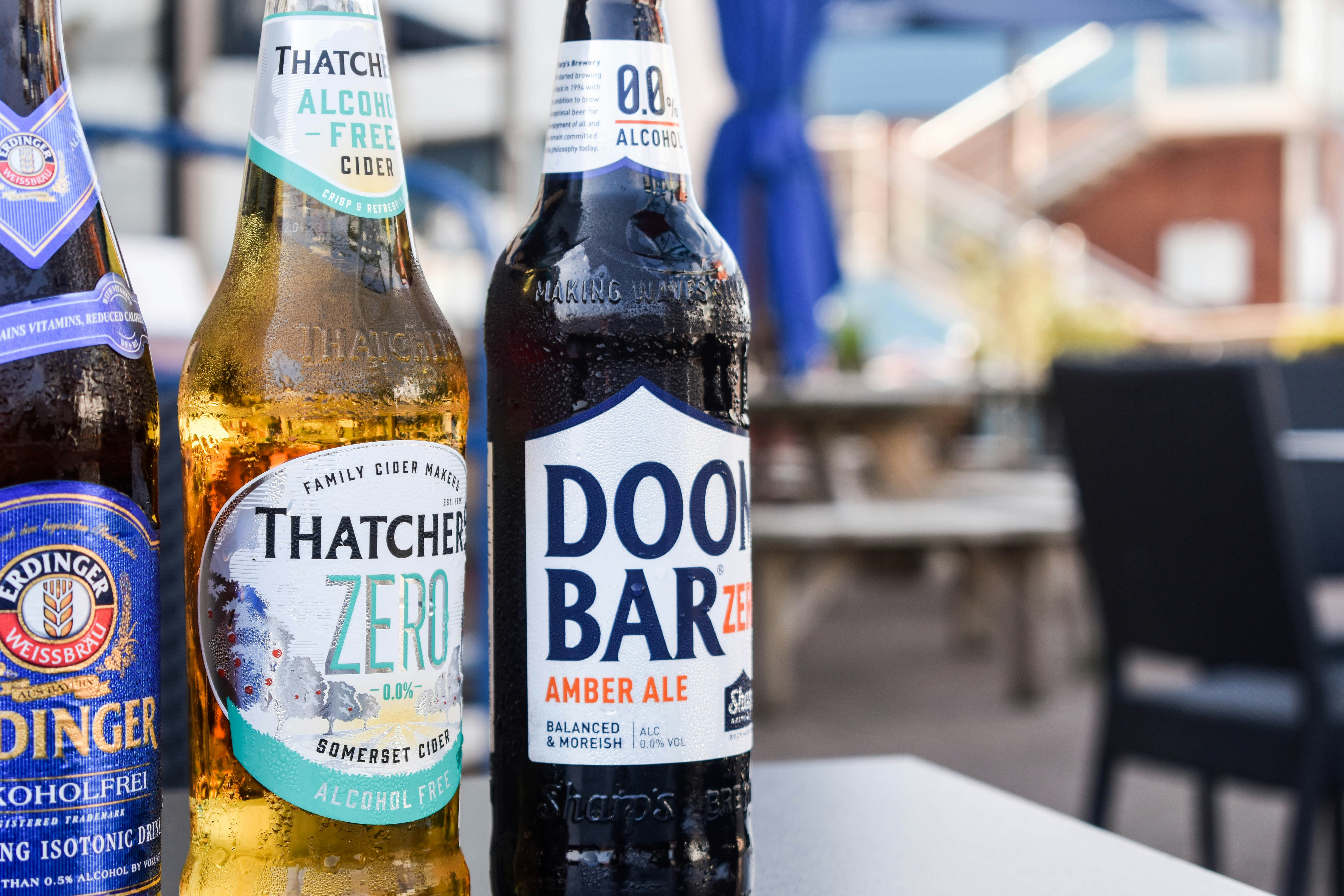
0% alcoholic beverages, often referred to as non-alcoholic or alcohol-free drinks, have recently gained significant traction among consumers looking to embrace healthier lifestyle choices. These beverages typically contain little to no alcohol, allowing individuals to enjoy social settings without the effects of intoxication or the health concerns associated with traditional alcoholic drinks.
The rise in popularity of these beverages has been largely driven by a shift in consumer preferences, particularly among health-conscious individuals. As awareness of the potential health risks linked to alcohol consumption increases, many people are actively seeking alternatives that align with their wellness goals. This shift has been particularly evident at social events where the demand for non-alcoholic options has surged, reflecting a broader cultural evolution towards inclusivity and mindful drinking.
Common misconceptions regarding 0% alcoholic beverages often revolve around the perception that these drinks lack flavor or complexity. However, brands in this emerging market are increasingly debunking this myth by producing high-quality, flavorful options that replicate the taste experience consumers expect from traditional alcoholic beverages. Whether it’s crafted beers, sophisticated wines, or inventive spirits, the options available today are diverse and appealing.
This trend towards 0% alcoholic beverages is not merely a passing fad; it signals a profound transformation in how society approaches drinking culture. With an increasing number of consumers prioritizing health and well-being, the market for non-alcoholic options is poised for growth. In the following sections, we will explore notable brands and innovative products that are shaping the future of this exciting sector, showcasing how the industry is responding to this demand for greater choice and quality in non-alcoholic beverages.
Current Trends and Innovations in the 0% Alcohol Market
The 0% alcoholic beverage market has experienced remarkable growth in recent years, driven by a shift in consumer preferences towards healthier lifestyles and mindful drinking. Innovations in brewing and distillation processes have enabled manufacturers to create a wider variety of non-alcoholic beverages that cater to diverse tastes and preferences. As health-conscious consumers increasingly seek alternatives to traditional alcoholic drinks, brands are leveraging advanced technologies to create flavorful products without compromising on taste.
One of the most notable trends is the use of unique botanicals and natural ingredients to enhance the flavor profiles of 0% beverages. Companies are experimenting with a plethora of herbs, spices, and fruits, resulting in complex and layered tastes that rival their alcoholic counterparts. This creative approach allows consumers to enjoy sophisticated drinks without the effects of alcohol, promoting inclusivity in social settings.
Moreover, brands are adopting innovative marketing strategies to effectively reach various demographics, particularly younger consumers who prioritize wellness and sustainability. Engaging advertising campaigns and collaborations with influencers help to establish a strong presence in social media, allowing brands to showcase their products in contemporary and relatable contexts. By addressing the specific desires of health-focused consumers, companies are increasingly able to foster brand loyalty and drive sales growth.
Additionally, the rise of non-alcoholic cocktails, or ‘mocktails,’ is becoming increasingly popular at bars and restaurants, providing consumers with sophisticated yet alcohol-free options. This trend reflects the importance of inclusivity, as more consumers opt for beverages that align with their health goals while still enjoying the social aspects of drinking. As we look forward, it is evident that the 0% alcoholic beverage market will continue to evolve, driven by innovation and a commitment to meeting consumer demands.
Notable Brands Leading the Charge
The market for 0% alcoholic beverages has gained remarkable traction in recent years, with various brands pioneering this innovative category. One notable brand is Heineken 0.0. Launched in 2017, Heineken 0.0 offers a balanced malt taste with a hint of bitterness, appealing to those who enjoy the classic beer flavor without the alcohol content. The brand’s commitment to quality and craftsmanship ensures a refreshing beverage that does not compromise on taste, making it a popular choice among consumers seeking alternatives to traditional alcoholic beverages.
Athletic Brewing Co. is another prominent player in this market, recognized for its extensive range of non-alcoholic craft beers. Founded by Bill Shufelt and John Walker, Athletic Brewing has carved a niche by focusing exclusively on brewing non-alcoholic options. Their products, including various ales and lagers, are meticulously crafted to provide unique flavor profiles, catering to a diverse audience. The brand emphasizes an active lifestyle, appealing to health-conscious individuals and outdoor enthusiasts who appreciate flavorful beverages without the effects of alcohol.
Seedlip, the first distilled non-alcoholic spirit, has also made significant strides in redefining the adult beverage experience. Founded by Ben Branson, Seedlip offers botanical-based options that serve as sophisticated alternatives to gin and other spirits. The brand’s commitment to natural ingredients and unique flavor combinations positions it as a leader in the non-alcoholic segment. With a focus on sustainability and health, Seedlip resonates with consumers who prioritize organic and ethical choices in their beverage selections.
Each of these brands demonstrates innovation in the 0% alcohol beverage market, not only through their product offerings but also via customer engagement strategies and a commitment to quality, establishing themselves as leaders in this evolving industry.
The Future of 0% Alcoholic Beverages
The future of 0% alcoholic beverages is poised for rapid progression as consumer preferences evolve and demand for healthier lifestyle choices increases. Market predictions indicate that the trend toward non-alcoholic consumption will continue to gain momentum, with analysts forecasting substantial growth in this sector over the next decade. This surge in popularity can be attributed to heightened health awareness and a desire for inclusivity in social settings, driving brands to innovate and diversify their product offerings.
One of the potential challenges facing the 0% alcoholic beverage market is the need for regulations to keep pace with this rapid growth. As more companies enter the non-alcoholic sector, it will be crucial to establish clear guidelines regarding labeling, marketing practices, and safety standards. By reinforcing transparency and consumer trust, regulatory frameworks can ensure that the market continues to thrive while minimizing potential risks associated with misleading claims.
As brands adapt to the increasing demand for non-alcoholic options, we can anticipate groundbreaking innovations on the horizon. New techniques in fermentation and ingredient sourcing may lead to unique flavors and textures, allowing for a richer drinking experience that closely mimics traditional alcoholic beverages. Furthermore, enhanced marketing strategies could help position 0% options not merely as substitutes but as desirable choices for a broad audience.
Social drinking culture is likely to transform as 0% alcoholic beverages become more mainstream. By actively engaging with younger generations who prioritize health and wellness, brands can create a vibrant community around non-alcoholic drinking experiences. Events such as festivals, tastings, and social gatherings focused entirely on non-alcoholic beverages may emerge, further solidifying their place in contemporary society.