
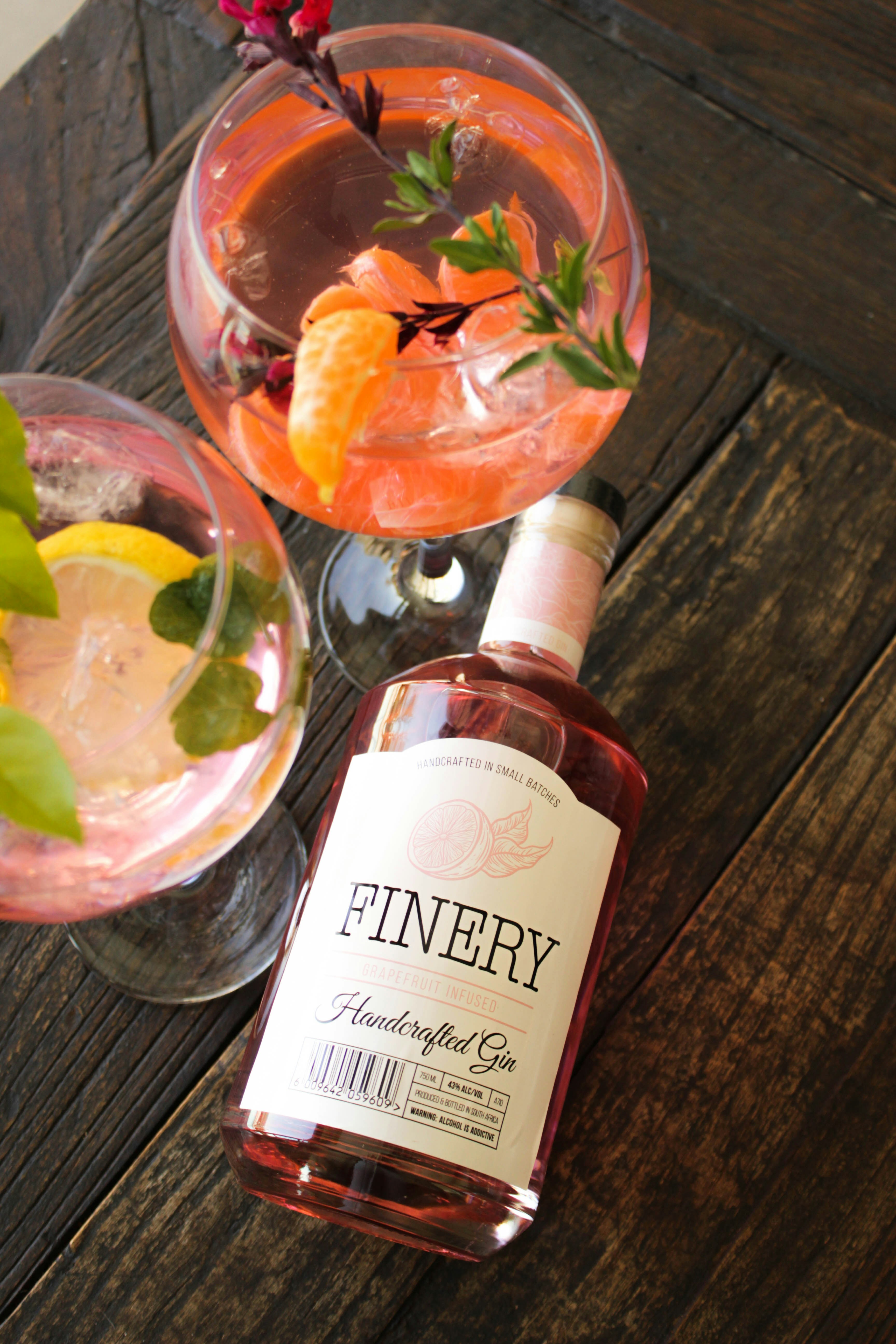
Understanding the Basics: What is Vodka and Gin?
Vodka and gin are two popular spirits that frequently appear in bars and households alike, each boasting a unique history and distinct production methods. Vodka, often regarded as one of the most versatile spirits, has origins traced back to Eastern Europe, particularly Russia and Poland. Its production typically involves distillation from fermented grains, such as wheat, rye, or corn, as well as potatoes. The result is a neutral spirit known for its clean taste and high purity, which generally leads to an alcohol content ranging between 35% and 50% by volume.
In contrast, gin is defined primarily by its juniper berry infusion, accompanied by a variety of other botanicals such as coriander, angelica root, and various herbs and spices. This infusion process allows gin to develop a complex flavor profile that is often described as aromatic and refreshing. The majority of gin available today is London Dry gin, which is characterized by its strong juniper flavor and typically has an alcohol content around 40% to 47% by volume. The distinct botanical elements incorporated during production contribute to an extensive array of tastes and aromas that set gin apart from other spirits.
Both vodka and gin serve as foundational ingredients in a multitude of cocktails. Vodka’s neutral flavor profile makes it an excellent base for drinks like the Classic Martini or Cosmopolitan, while gin is often featured in cocktails such as the Gin and Tonic or Negroni, where its botanicals can shine through. Understanding the nuances between vodka and gin is essential for both novice and experienced mixologists, as the choice between these two spirits can significantly alter the final flavor of a cocktail.
Taste Test: Vodka vs Gin in Cocktails
When it comes to cocktails, vodka and gin serve as two distinct, yet equally popular base spirits, each bringing their own characteristics to a wide array of beverages. The fundamental difference between vodka and gin lies in gin’s botanical flavors, which offer an aromatic profile that can significantly alter the drinking experience. In contrast, vodka, known for its clean and neutral taste, allows other cocktail ingredients to shine without overwhelming their flavors.
Consider the classic Vodka Martini. This cocktail is a testament to vodka’s ability to provide a smooth and unobtrusive backdrop, enhancing the botanicals present in the vermouth. Vodka’s crispness showcases the purity of the ingredients, making it an ideal choice for those who prefer a minimalist flavor without distractions. A simple garnish of olives or a lemon twist can elevate the experience while keeping the focus largely on the spirit itself.
On the other hand, the Gin and Tonic exemplifies how gin’s intricate flavor profile responds to the tonic water, creating a refreshing drink that stimulates the palate. The various botanicals in gin contribute notes of juniper, citrus, and spices, which are further enhanced by the slight bitterness of tonic. This synergy results in a multi-layered flavor experience that resonates well with those who appreciate complexity in their cocktails.
Moreover, the versatility of both spirits lends itself to numerous variations of these classic cocktails. For vodka, a flavored version could involve infusing the spirit with fruits or herbs, while gin can be tailored by selecting different tonics or garnishes to highlight specific botanical elements. Each adaptation offers a unique take on these beloved cocktails, ensuring that there is a suitable option for every palate.
Classic and Creative Cocktail Recipes
When it comes to cocktails, vodka and gin each offer unique versatility, allowing for a vast array of classic and innovative recipes. Below are some renowned drinks alongside inventive variations that highlight the distinct characteristics of these spirits.
1. Vodka Soda: A quintessential highball that is both refreshing and uncomplicated. To prepare:
- Fill a glass with ice.
- Add 2 ounces of vodka.
- Top with club soda and stir gently.
- Garnish with a lime wedge for an extra zest.
2. Moscow Mule: A flavorful combination of vodka, ginger beer, and lime juice served in a traditional copper mug. The preparation involves:
- Combine 2 ounces of vodka and 1 ounce of lime juice in a mug filled with ice.
- Top off with 4 ounces of ginger beer.
- Garnish with a lime slice and fresh mint.
3. Negroni: A classic gin cocktail with bold flavors. Here’s how to make it:
- In a mixing glass, combine 1 ounce gin, 1 ounce sweet vermouth, and 1 ounce Campari.
- Add ice and stir for about 30 seconds.
- Strain into a rocks glass filled with ice and garnish with an orange twist.
4. Tom Collins: This gin-centric cocktail is light and effervescent. To create it:
- In a shaker, mix 2 ounces of gin, 1 ounce lemon juice, and 1 ounce simple syrup.
- Shake with ice and strain into a tall glass filled with ice.
- Top with club soda and garnish with a lemon slice and cherry.
When preparing cocktails, consider adding unique garnishes like herbs, flavored salt rims, or fresh fruit slices to enhance visual appeal and flavor profiles. Each cocktail can be customized further based on personal preferences or the ambiance of the event, making vodka and gin cocktails a versatile option for any gathering.
Conclusion: Which Spirit Reigns Supreme?
In the debate between vodka and gin, the conclusion largely comes down to personal preference and the context in which each spirit is enjoyed. Both vodka and gin offer unique flavor profiles, which cater to different tastes and occasions. Vodka, known for its clean and neutral character, serves as a versatile base in countless cocktails and is often favored for its ability to blend seamlessly with various mixers. It is the preferred choice for those who enjoy a smoother drink that’s less assertive on the palate.
Conversely, gin is celebrated for its botanical infusions and distinctive flavors, which can range from fragrant floral notes to robust herbal profiles. The diversity in gin varieties means that it can shine in cocktails, especially those that call for a more pronounced taste. Gin is frequently chosen for occasions that invite a more complex and aromatic drinking experience, making it popular among enthusiasts looking to savor the nuances of their cocktail.
Ultimately, the decision between vodka and gin may also depend on the type of cocktail one is preparing. For a refreshing tonic, gin may reign supreme, whereas a classic martini typically showcases vodka as its base. Enthusiasts should feel encouraged to explore both spirits in their cocktail-making adventures, experimenting with various combinations to discover personal favorites. Whether opting for the sleek simplicity of vodka or the intricate complexities of gin, both spirits hold a place of honor in the world of mixology.