
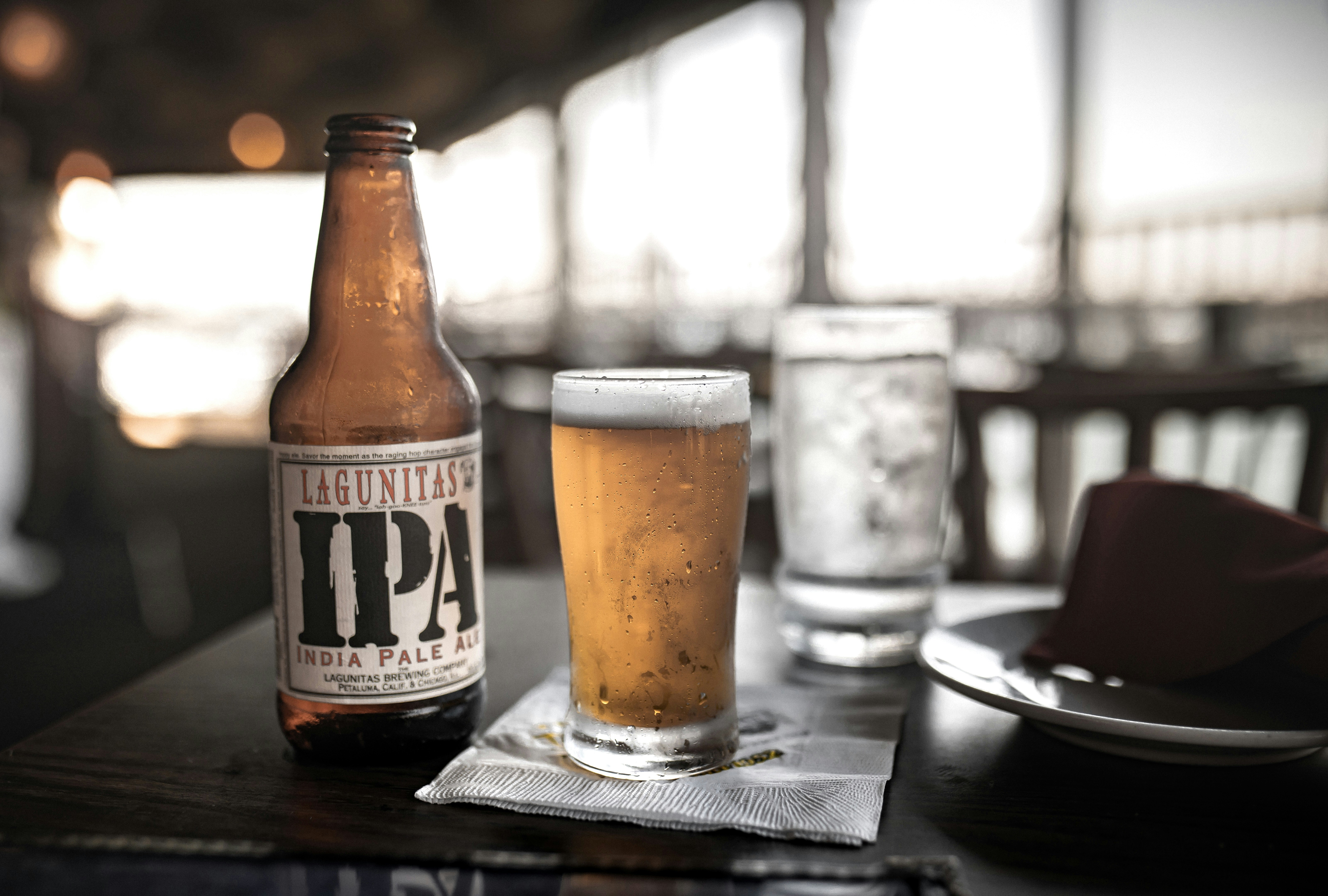
The Rise of IPA: A Brief Overview
India Pale Ales (IPAs) have become one of the most popular styles of craft beer, characterized by their hoppy flavor profile and robust bitterness. The origins of IPA can be traced back to 19th-century England, where brewers added extra hops to pale ales to preserve them during the long sea voyages to India. This method not only extended the shelf life of the beer but also imparted a distinct hop character that was well-received by British colonists.
As the British Empire expanded, so too did the popularity of IPA. The style saw significant evolution throughout the 20th century, particularly in response to consumer tastes and the development of new brewing techniques. During the rise of the American craft beer movement in the late 20th century, the IPA underwent a transformative resurgence. American brewers began to experiment with bold hop varieties, leading to the creation of various sub-styles, such as West Coast IPA, New England IPA, and Double IPA, which are now beloved by many beer enthusiasts.
Pivotal players in this transformation included breweries like Sierra Nevada and Stone Brewing, who not only popularized hoppy beers but also advocated for the craft brewing ethos, emphasizing quality, flavor, and the use of fresh ingredients. By the early 2000s, IPAs had solidified their status within the craft beer community, leading to an explosion of innovation. Breweries began to differentiate themselves with unique hop blends and brewing techniques, driving further interest and consumption.
The growth of social media has facilitated a connected community of craft beer drinkers who celebrate new releases and share their experiences, contributing to the IPA’s enduring popularity. Today, the rise of IPA continues, with brewers pushing the boundaries of flavor while remaining true to the roots established centuries ago. This ongoing evolution ensures that IPAs will remain a staple of the craft beer culture for years to come.
Diversity in IPA Styles: From West Coast to New England
India Pale Ales, or IPAs, are widely recognized for their aromatic and hoppy qualities, but they encompass a diverse range of styles. Among the most notable substyles are the West Coast IPAs and New England IPAs, each showcasing distinct flavor profiles, brewing techniques, and characteristics. West Coast IPAs are characterized by their assertive bitterness, a prominent hop presence, and a clean, crisp finish. Typically brewed using a variety of American hops, these beers often exhibit pine, citrus, and resinous flavors. The use of well-attenuated yeast contributes to their dry nature, allowing the hop flavors to shine through without being overshadowed by sweetness.
In contrast, New England IPAs have gained immense popularity for their hazy appearance and juicy, fruit-forward profiles. These IPAs emphasize late hop additions and dry hopping in the brewing process, resulting in a softer mouthfeel and reduced bitterness. The use of yeast strains that enhance fruity esters also plays a crucial role; notes of tropical fruits like mango, pineapple, and stone fruits are often prominent. Furthermore, the technique of adding oats or wheat in the malt bill contributes to the creamy texture and haze of the final product. This departure from the traditional IPA profile has garnered a dedicated following, appealing to those who prefer a more aromatic and less bitter experience.
Emerging styles such as Brut IPAs and Milkshake IPAs are also notable. Brut IPAs are dry and effervescent, created through the use of enzymes that ferment all residual sugars, thus achieving a champagne-like quality. Conversely, Milkshake IPAs incorporate lactose, adding a creamy sweetness and enhancing mouthfeel while balancing the hop bitterness. With these evolving styles, the IPA category continues to expand, illustrating not only a broad spectrum of flavors but also the creativity of craft brewers willing to experiment.
Current Trends in IPA Brewing: Hops and Innovation
In the dynamic landscape of independent craft brewing, India Pale Ales (IPAs) continue to be a prominent favorite among consumers. The current trends in IPA brewing are heavily influenced by the innovative use of hops and experimental brewing techniques. Craft brewers are increasingly focusing on specific hop varieties that bring unique aromatic and flavor profiles to their beers. Varieties such as Mosaic, Citra, and Simcoe have gained significant popularity due to their ability to contribute distinct citrus and tropical fruit notes, which are highly sought after by IPA enthusiasts.
Moreover, techniques such as dry hopping and hop bursting are becoming more prevalent in the brewing process. Dry hopping, which involves adding hops later in the fermentation process, enhances aroma without significantly increasing bitterness. On the other hand, hop bursting refers to adding a massive quantity of hops during the last few minutes of the brewing process, resulting in an impressive aroma and flavor profile. These innovative methods highlight the industry’s commitment to pushing the boundaries of traditional brewing practices.
Additionally, the rise of collaboration brews among various breweries has led to an exciting exchange of ideas and ingredients. Collaborations allow brewers to experiment with different hops and brewing techniques, resulting in unique limited-edition IPAs that reflect the creativity of multiple brewers. This trend not only fosters community within the brewing industry but also gives consumers access to a diverse range of IPAs that may incorporate unconventional ingredients or brewing practices.
Consumer preferences play an essential role in shaping these trends. As craft beer drinkers become increasingly adventurous and knowledgeable, they often seek out IPAs that feature innovative hop blends or unique flavor profiles. This shift in consumer demand encourages breweries to innovate continually, with many experimenting with various forms of hops, including cryo hops and hop oils, enhancing the IPA experience.
Global Influence and the Future of IPAs
While India Pale Ales (IPAs) originate from England and have been popularized in the United States, their influence has expanded across the globe. Countries such as Canada, Australia, and various European nations are not only adopting the IPA style but are also innovating with their unique local ingredients. For instance, Canadian brewers may utilize distinctive hops from the Pacific Northwest, while Australian craft brewers often experiment with native botanicals, resulting in a diverse flavor profile that distinguishes their IPAs from others.
In Australia, the rise of the “Australian IPA” has garnered attention. These brews often incorporate fruity and tropical hop varieties, reflecting the country’s local agriculture and flavor preferences. Similarly, European countries are also making their mark in the IPA landscape, with countries like Germany and Belgium contributing with their own styles that blend traditional brewing techniques with the hoppy essence of IPAs. This international collaboration highlights how cultures are collectively pushing the boundaries of craft beer.
Looking to the future, several trends are emerging within the IPA category. One such trend is the focus on sustainable brewing practices. As the global beer community grows increasingly environmentally conscious, breweries are adopting sustainable sourcing of ingredients and implementing waste reduction strategies. This shift not only addresses climate challenges but also satisfies an eco-aware consumer base eager for responsible choices.
An additional consideration for the future of IPAs is the impact of climate change on hop production. As certain regions experience changing weather patterns, the availability and quality of hop varieties may fluctuate, compelling brewers to adapt to these new realities. The incorporation of hops from varied geographical areas can lead to diverse and exciting IPAs that reflect the consequences of climate change. This adaptability may define the next generation of IPAs, making them a compelling subject for both brewers and enthusiasts alike.